
2025 has been absolutely mind-blowing for AI tools.
I’m not the only one who feels overwhelmed by the sheer volume of new tools launching every day, every week, every month. It’s impossible to keep up. Most of these tools are incremental improvements or slight variations on existing tools.
But every once in a while, something comes along that makes you stop and think: this changes everything.
That happened to me this week with Nano Banana.
What Is Nano Banana?
Nano Banana is an AI image creation and editing tool built into Google Gemini. It’s been receiving significant attention from Demis Hassabis, the CEO of Google DeepMind, Google’s AI development arm.
If you’re not familiar with Demis Hassabis, I highly recommend watching The Thinking Game, a documentary now available on YouTube. He’s one of the most brilliant minds working in AI today, and understanding his vision helps you understand where Google is taking these tools.
The announcement article dropped on Monday, December 29th, and I immediately started testing it. What I found genuinely surprised me.
Why This Matters for Content Creators
Here’s the thing about content creation that most people get wrong. They think it’s all about the words. It’s not. Humans aren’t text-processing machines. We need visual breaks. We need images that help us understand and retain information.
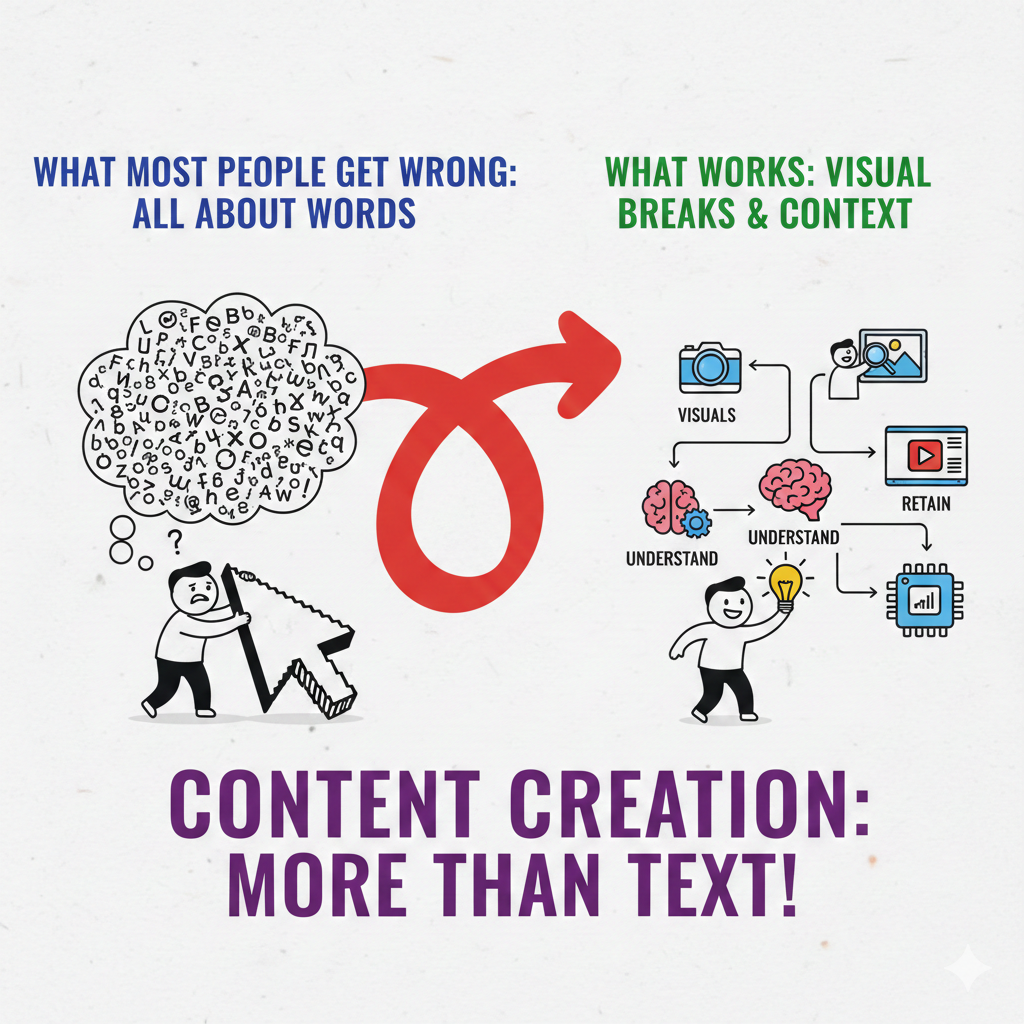
The problem? Creating quality visuals used to require one of two things: hiring a designer (expensive and slow) or using stock photos (generic and overused). Neither option is great for content creators who need to publish consistently.
Nano Banana changes that equation altogether.
My Real-World Test
Let me show you exactly what this tool can do.
My wife and I recently went to Tanzania. We hiked Kilimanjaro and did an incredible safari in the Serengeti. During the trip, I took a photo of a tree that caught my attention.
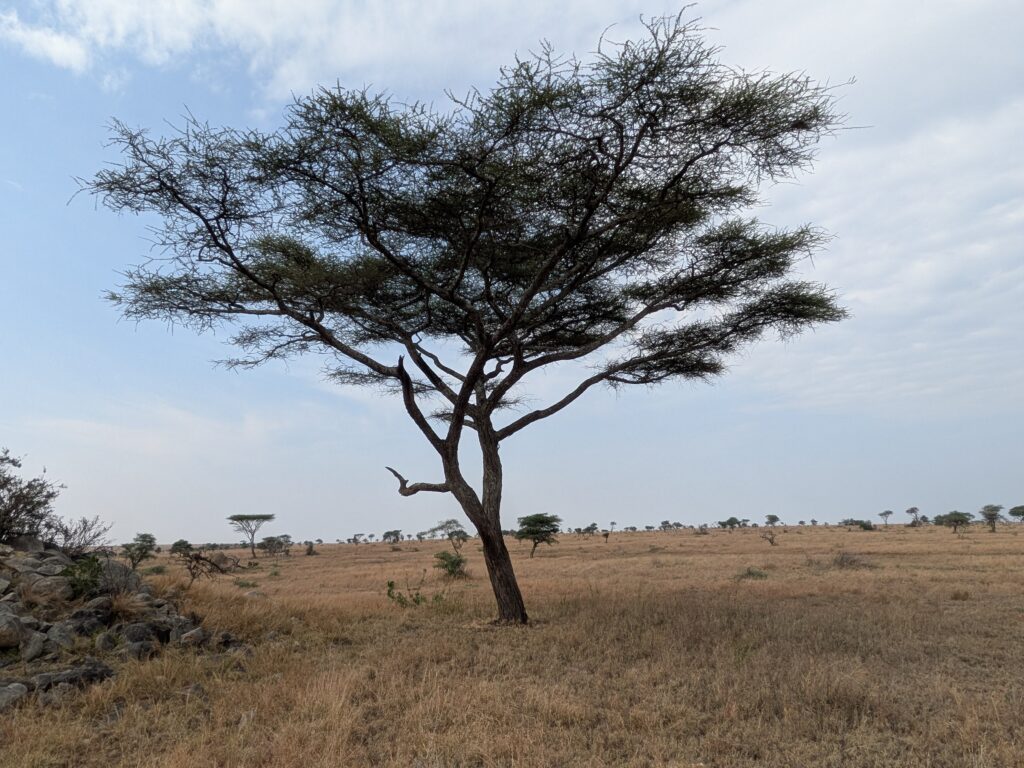
I uploaded one of those tree photos into Nano Banana and used a simple prompt: “Create an infographic about this plant, focusing on interesting information.”
That’s it. Nothing fancy. No complex prompt engineering.
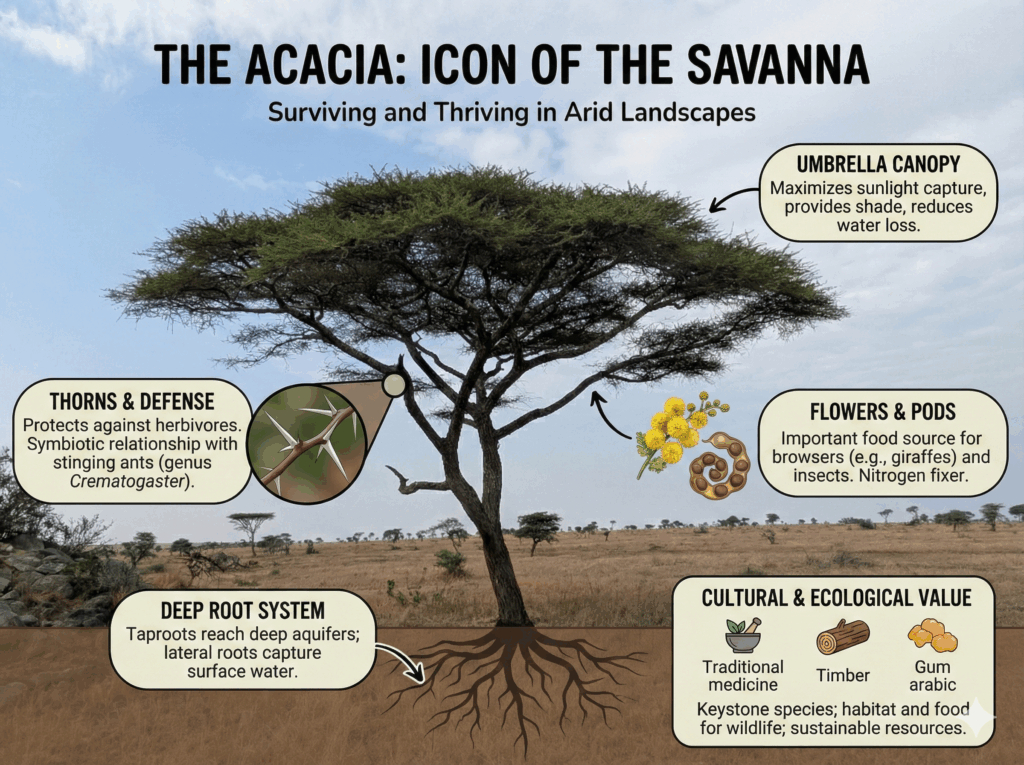
In less than 30 seconds, Nano Banana created a complete infographic with detailed information about the plant, visually designed and ready to use in content.
Thirty seconds.
Not too long ago, creating something like that would have required hiring a designer, providing a brief, going through revisions, and waiting days or weeks for the final product. Now, anyone can do it with a single prompt.
The Impact on Content Creation
If you’re a content creator, blogger, or anyone who publishes regularly, think about what this means.
You’re passionate about a topic. Birds. Plants. Architecture. Technology. Whatever your niche is. You’re creating content to share your expertise and build your E-E-A-T signals. But your articles are text-heavy because creating custom visuals is either too expensive or too time-consuming.
Nano Banana eliminates that barrier.
Upload an image you took. Ask for an infographic. Get something visually compelling in seconds. Your content immediately becomes more engaging, more shareable, more valuable to your audience.
This is particularly powerful for SEO. Google wants to see comprehensive, helpful content. Visual elements that break up text and add value signal that you’ve invested in creating quality resources. Infographics get shared. They attract backlinks. They keep readers on the page longer.
The Design Industry Disruption
This tool alone will have a tremendous impact on the design industry.
That’s not a prediction. It’s an observation based on what the tool can already do today. And we’re at the very beginning of this curve. What Nano Banana can create in December 2025 will look primitive compared to what it produces in December 2026.
Designers who focus solely on execution will struggle. The value is shifting toward creative direction, brand strategy, and the human judgment that AI still can’t replicate. The tactical work of creating infographics from existing images? That’s becoming automated.
How to Use Nano Banana
You’ll need access to Google Gemini Pro to take full advantage of this tool. Here’s the basic process:
Fire up Google Gemini. Upload an image by clicking “add files.” Select the “create image” feature to activate Nano Banana. Add your prompt describing your requirements. Submit and wait about 30 seconds.
The prompt can be simple. “Create an infographic about this, focusing on interesting information,” works surprisingly well. But you can get more specific if you know exactly what you want.
The Critical Human Step
Here’s where I need to add my standard disclaimer about AI-generated content: always check the information.
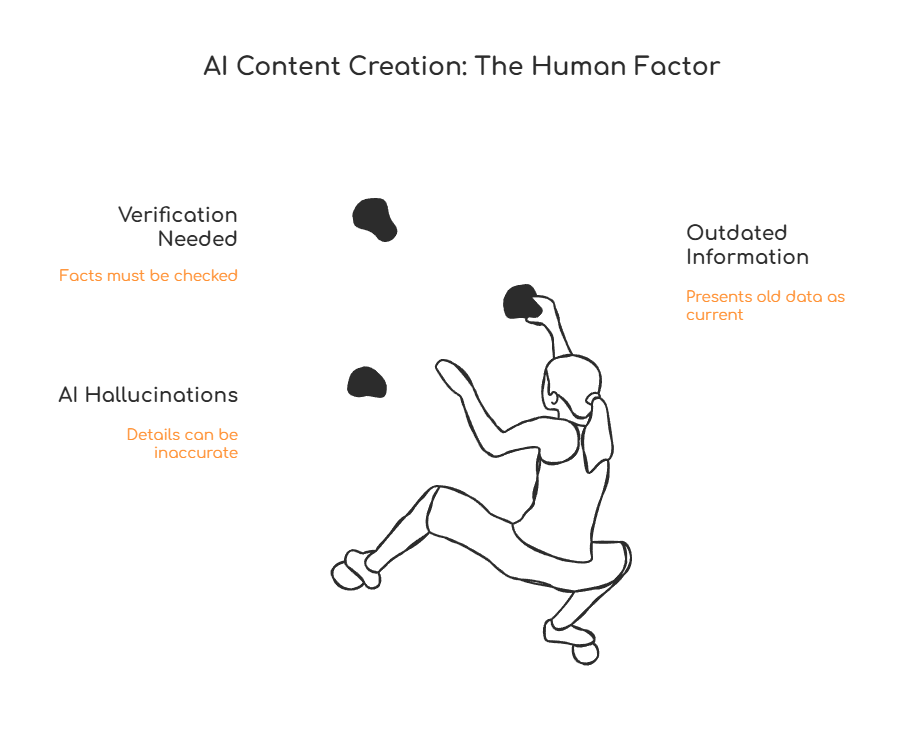
Nano Banana is pulling from various sources to populate your infographic with facts and details. Most of the time, it’s accurate. But AI can hallucinate. It can get details wrong. It can present outdated information as current.
Before you publish anything created with this tool, verify the facts. If something doesn’t look right, go back and continue prompting until the image is exactly what you want.
This is what we mean by human-driven, AI-assisted content creation. The AI does the heavy lifting. The human provides expertise, judgment, and quality control.
Looking Ahead to 2026
As 2025 comes to an end, I keep thinking about how much has changed in just twelve months. The tools we have access to today seemed like science fiction a few years ago.
And this is just the beginning.
Google has access to more data than anyone else in the world. They’re investing in AI development. Demis Hassabis and the DeepMind team are constantly pushing boundaries. What we’re seeing with Nano Banana is a preview of what’s coming.
Content creators who learn to use these tools effectively will have a significant advantage. Those who ignore or resist them will fall behind.
I’ve been doing SEO for about 30 years. I’ve seen every major shift in this industry. What’s happening with AI right now is the most significant transformation I’ve witnessed. And tools like Nano Banana are making that transformation accessible to everyone.
Your Turn
I want to hear from you. What AI tools did you discover in 2025 that changed how you work?
Happy New Year, and have a great weekend!
Cheers,
Chris