
If you’ve been following the AI space lately, you probably saw the headlines about global software stocks taking a hit. The reason? Claude AI’s new Cowork feature on their desktop application. I’ve been testing this feature extensively with my team at Boulder SEO Marketing, and I want to show you exactly why investors are paying attention and why this matters for anyone trying to work more efficiently. Watch the full video above to learn more.
What Makes Cowork Different From Traditional Automation
Most of us are familiar with Claude.ai, the browser version of this large language model. It’s become one of my go-to tools for everything from content strategy to technical SEO analysis. But the desktop version has introduced something fundamentally different, with three key features:
- Chat
- Cowork
- Code
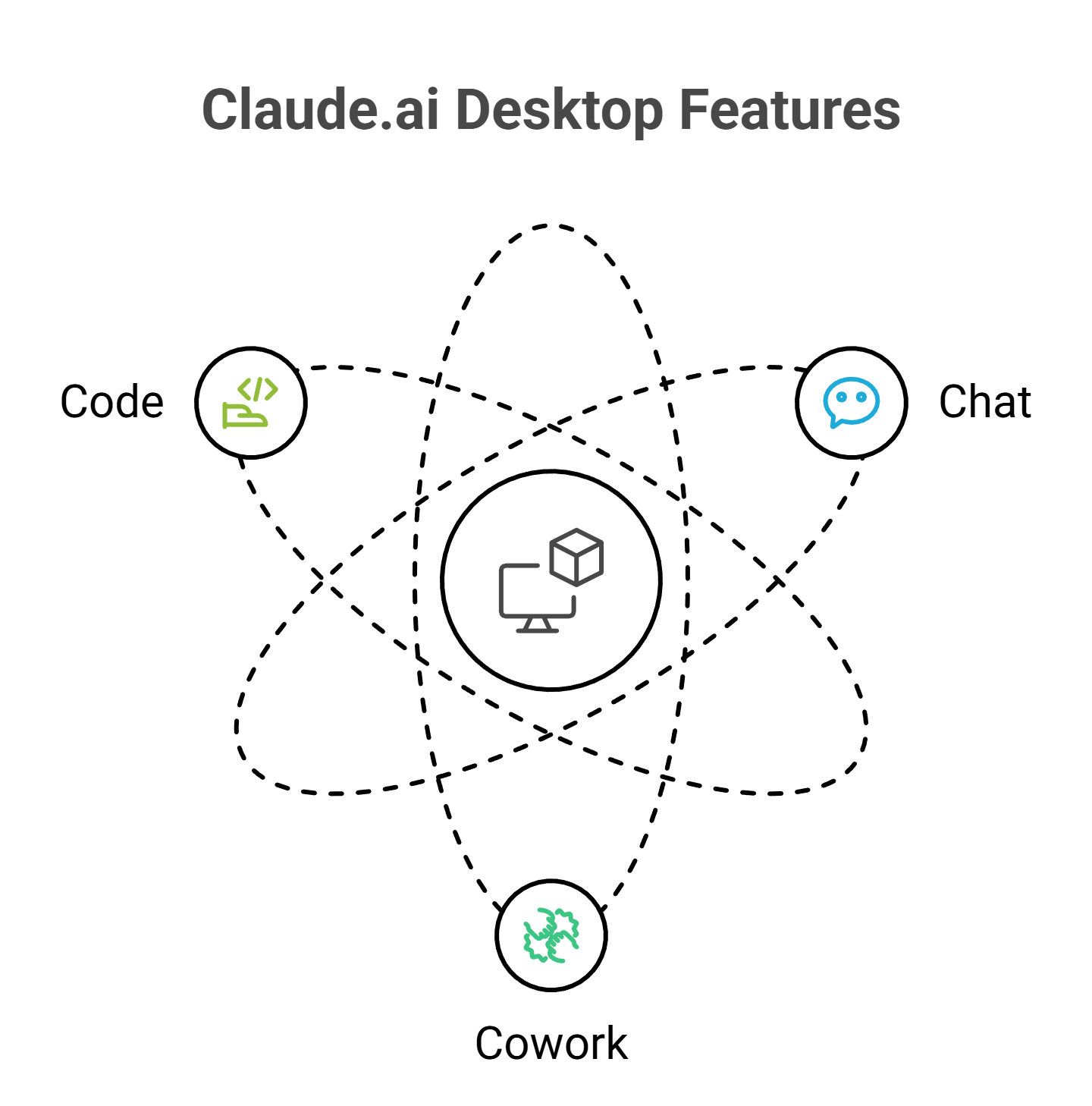
I’m focusing on Cowork today because it’s specifically this feature that’s putting pressure on traditional software companies. And after extensive testing, I understand this isn’t just another file management tool or automation script. Cowork represents a different paradigm for how we interact with our computers.
Here’s what makes it powerful. You give Cowork access to a specific folder on your computer, tell it what task you need completed in natural language, and it goes to work. But unlike simple file management tools that sort by file type or date, Cowork actually understands content. It reads what’s in your files, analyzes the context, and makes intelligent decisions about organization.
Think about how you normally organize files. You look at a document, understand what it contains, decide which folder it belongs in, and move it there. That process requires comprehension and decision-making. Cowork replicates that human-like understanding, but at machine speed and without the fatigue that makes us procrastinate on these tasks.
A Real Example From My Workflow
Let me show you a concrete example. I take a lot of screenshots when I’m preparing presentations. They accumulate on my desktop, and cleaning them up used to be something I’d save for airplane flights when I wasn’t interrupted. It’s mindless work that requires just enough attention that you can’t do it while you’re trying to focus on something else.
This morning, I decided to test Cowork with this exact problem. I opened the desktop app, selected Cowork, and told it: “I have a ton of screenshots on my desktop. Can you help me clean up my desktop?” Then I gave it access to my desktop folder.
Here’s where it got interesting. Instead of just starting the task, Cowork asked me clarifying questions.
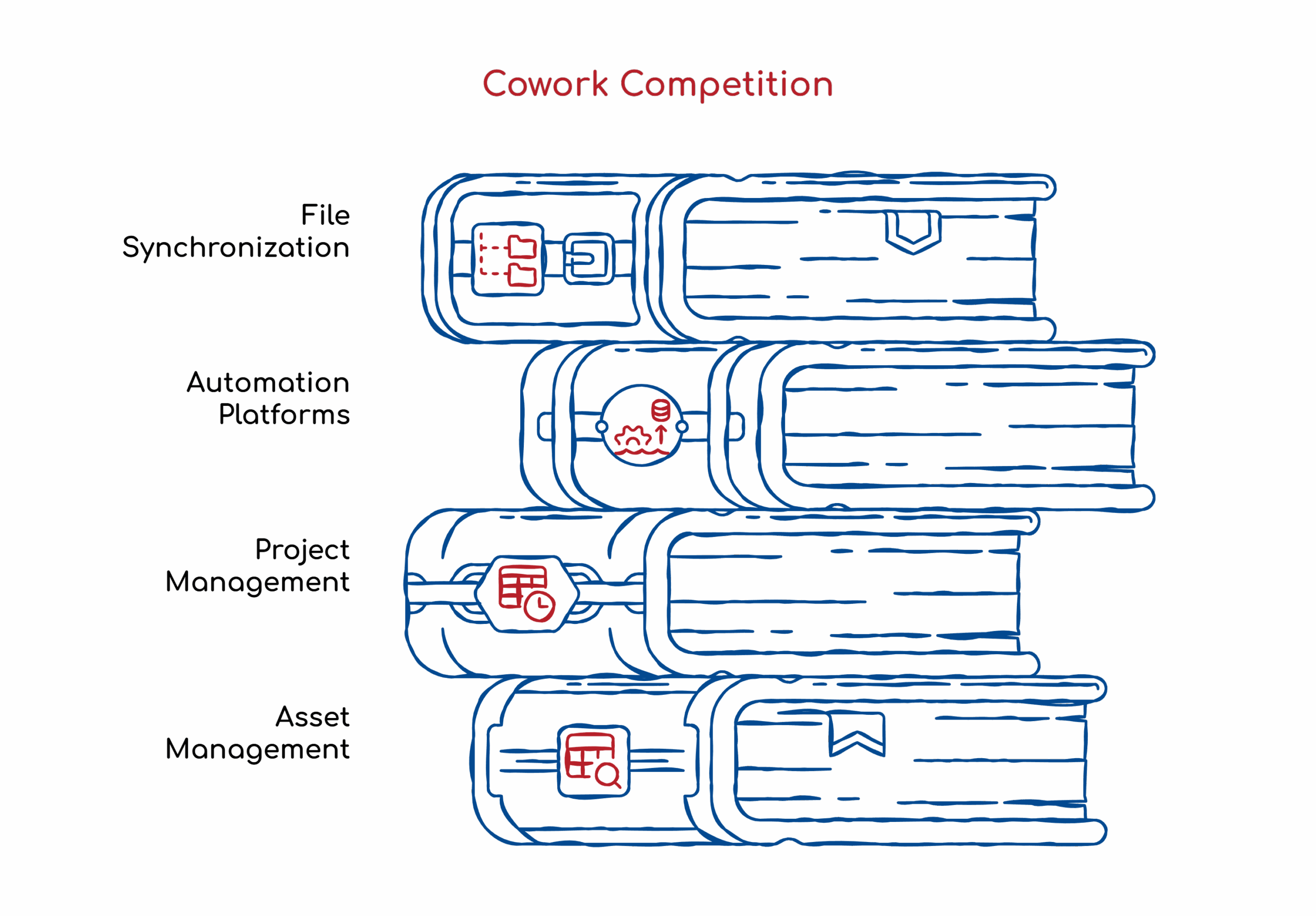
- “How should I sort them? By date, by content topic, or some other way?”
- “Do you want me to delete duplicates, or would you prefer to review them first?”
- “Should I keep everything in the main folder with subfolders, or create a separate archive?
This interaction pattern matters. Cowork isn’t just executing a predefined script. It’s engaging in a conversation about the task, understanding my preferences, and adjusting its approach accordingly. That’s fundamentally different from traditional automation, where you configure rules upfront and hope they work.
After I answered the clarifying questions, Cowork provided a real-time progress report. It showed me each step it was taking, striking through tasks as it completed them. I could see it analyzing files, creating folders, and moving items. This level of transparency is crucial when you’re letting AI work with your files. You’re not just watching a loading bar. You’re seeing exactly what the AI is doing with your data.
The results impressed me. Cowork found 40 screenshots on my desktop spanning from late January to early February. It analyzed the content of each screenshot, not just the file names or metadata. Then it created seven topic-based folders and sorted everything appropriately.
For example, it created a “Social Media” folder and correctly identified screenshots from LinkedIn posts. It made an “AI Images” folder and sorted all my AI-generated images there. It recognized presentation slides, analytics dashboards, and email screenshots, organizing each category into its own folder. The categorization accuracy was around 95%, which is better than I would have done manually while distracted.
Why This Matters Beyond File Organization
Now, organizing screenshots might seem trivial. But think about all the repetitive file management tasks you handle every week. Sorting client deliverables into project folders. Organizing research materials by topic or campaign. Cleaning up your downloads folder. Categorizing monthly reports. Archiving old projects while keeping recent work accessible.
These tasks are time-consuming, not because they’re technically difficult, but because they require human judgment and context. You can’t easily write a script to sort marketing assets because you need to understand what’s in the file, which campaign it belongs to, and whether it’s a final version or a draft.
That’s exactly what Cowork handles. It understands context the way a human assistant would, but it works at machine speed without getting bored or tired. My team and I are already finding more and more use cases for tasks that, not long ago, had to be done manually by someone who understood the business context.
I’ve started using it for organizing client research folders, where I dump dozens of competitor analysis screenshots and need them sorted by competitor and content type. I’m testing it for managing presentation assets, including images, charts, and reference materials that need logical organization. I’m even using it to clean up old project folders before archiving them, removing duplicates, and organizing files I’ll need to reference later.
The Broader Industry Impact
Now let’s talk about why this is affecting software stocks. Reuters reported that global software stocks were hit specifically because of what Cowork represents. This is AI that doesn’t just answer questions or generate content. It actively performs tasks on your computer, with your permission, in a way that replaces entire categories of productivity software.
Traditional file management tools, automation software, workflow applications, and even some project management platforms are facing a new kind of competition. When an AI can understand natural-language instructions, ask clarifying questions, and execute complex, context-aware tasks, the value proposition of specialized single-purpose tools begins to shift.
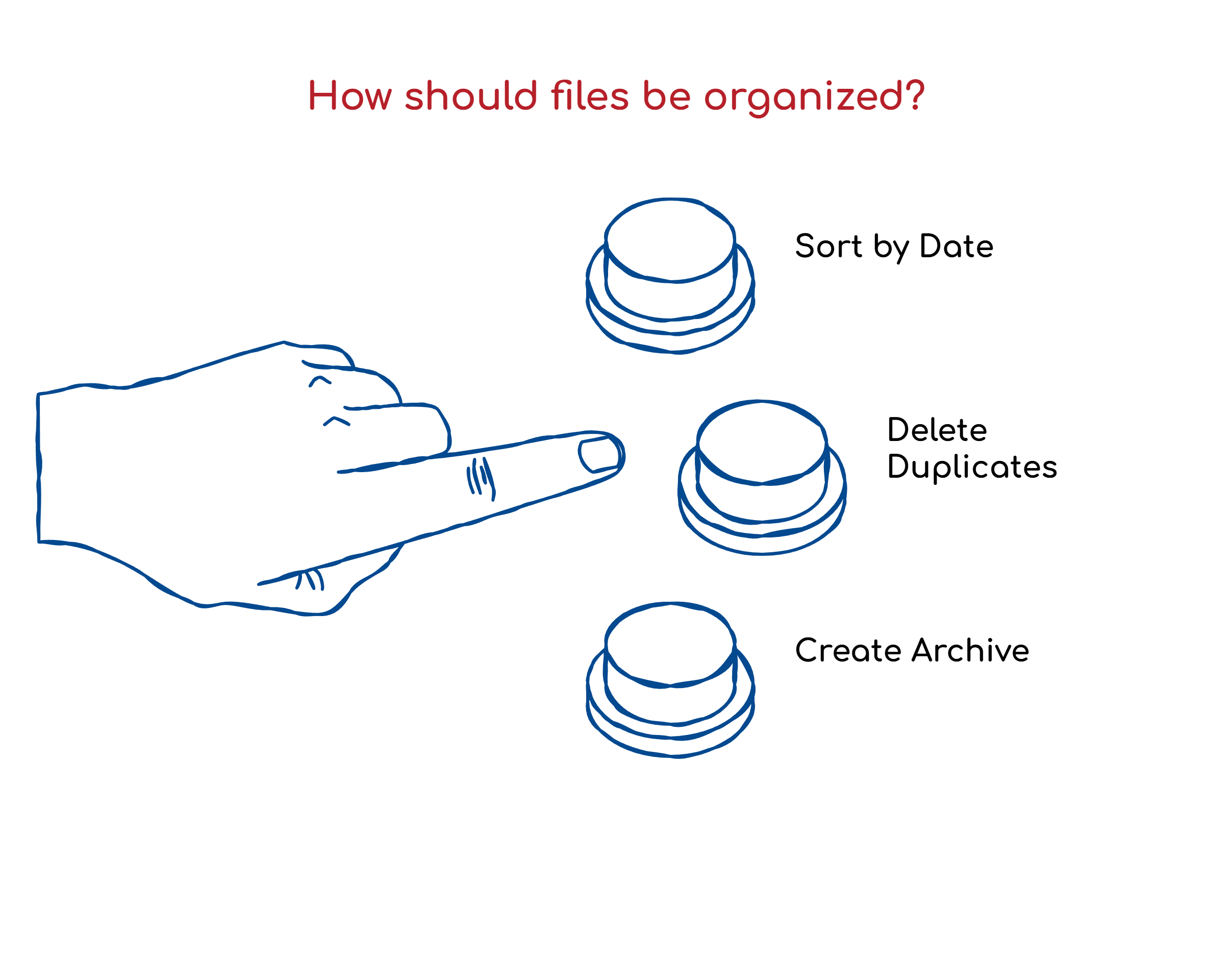 Think about the software categories that Cowork competes with.
- File synchronization tools that organize by rules.
- Automation platforms that require you to configure triggers and actions.
- Project management software with elaborate folder structures.
- Asset management systems with tagging and categorization.
All of these tools require you to learn their specific interface, configure their rules, and maintain their structure.
Cowork offers a fundamentally different approach. You describe what you want in plain language, and it figures out how to accomplish it. You don’t need to learn a new interface. You don’t need to configure complex rules. You just explain the task, and the AI handles the implementation details.
This is why investors are concerned. We’re seeing the early stages of AI that can replace not just specific functions within software, but entire categories of tools. And Cowork is just one feature in one application. Imagine when this level of contextual understanding and task execution becomes standard across desktop applications.
How to Get Started With Cowork
If you want to try this yourself, you need to download the desktop version of Claude AI. The browser version doesn’t include Cowork. Getting started with Cowork is straightforward, and Anthropic provides good documentation.
Once you’ve installed the desktop app, you’ll see three options: Chat, Cowork, and Code. Select Cowork, and you’ll be prompted to describe what you need done. Start with something simple. A cluttered downloads folder is perfect for testing. Or a backlog of documents that need sorting. Or screenshots like I demonstrated.
The key is to be specific about what you want done. Instead of saying “organize my files,” try “organize these screenshots by content topic and create folders for social media posts, AI-generated images, and presentation slides.” The more context you provide, the better Cowork can tailor its approach to your needs.
When Cowork asks clarifying questions, answer them thoughtfully. These questions help it understand your preferences and avoid making assumptions that don’t align with your workflow. And watch the progress report as it works. You’ll learn a lot about how the AI is thinking through the task, which will help you give better instructions for future tasks.
Where I’m Speaking Next
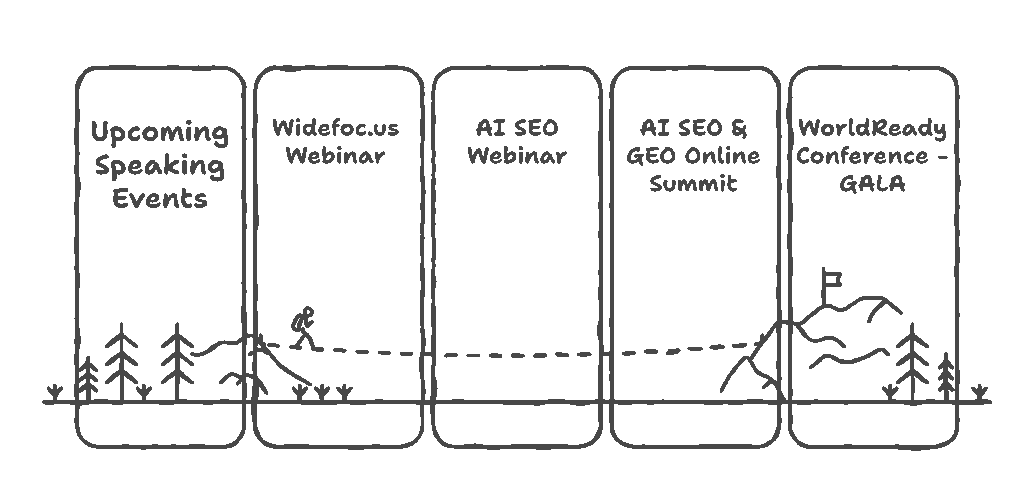
On February 20, 2026 | 11:00 AM – 12:00 PM MST, I’m speaking at a Wide Foc.us webinar called “Align Your AI SEO with High Impact Content to Dominate Search.” I’m partnering with Eric Elkins, CEO of Wide Foc.us, and we’ll be covering how to combine AI SEO strategies with social content to maximize visibility across both traditional search and AI-powered answer engines. Registration is open here, and I expect this one to fill up quickly.
On March 25, 2026 | 10:00 AM – 11:00 AM MST, I’m hosting a complimentary, hour-long webinar with my business partner, Daniel Burns, that will focus on practical, actionable information you can implement immediately and proven strategies that work. You can find more details and register on my AI and SEO guide page.
Our next AI SEO and GEO Online Summit is coming up on April 1, 2026 | 9:00 AM – 11:00 AM MST. We’re changing the format this year to a two-hour concentrated online summit, and I’ve just secured some really impressive speakers. If you’ve attended our previous summit, you know the quality of insights we bring together. This will be even better.
Finally, if you’re in Europe or planning to be, I’m speaking at the Gala World Ready Conference in Berlin on April 13, 2026, at 1:30 PM. My presentation is “From Search Engine to Answer Engine: Why Your Global Content Strategy Needs Generative Engine Optimization.” This conference has an incredible agenda covering international SEO, localization, and global content strategy. Early registration ends soon, so if you’re planning to attend, I’d recommend signing up now.
As always, I’m here to help if you have any questions about implementing these AI tools or strategies. Feel free to reach out. I genuinely enjoy these conversations, and I learn as much from your questions as you do from my answers.
Stay safe and healthy.
Cheers,
Chris Raulf